
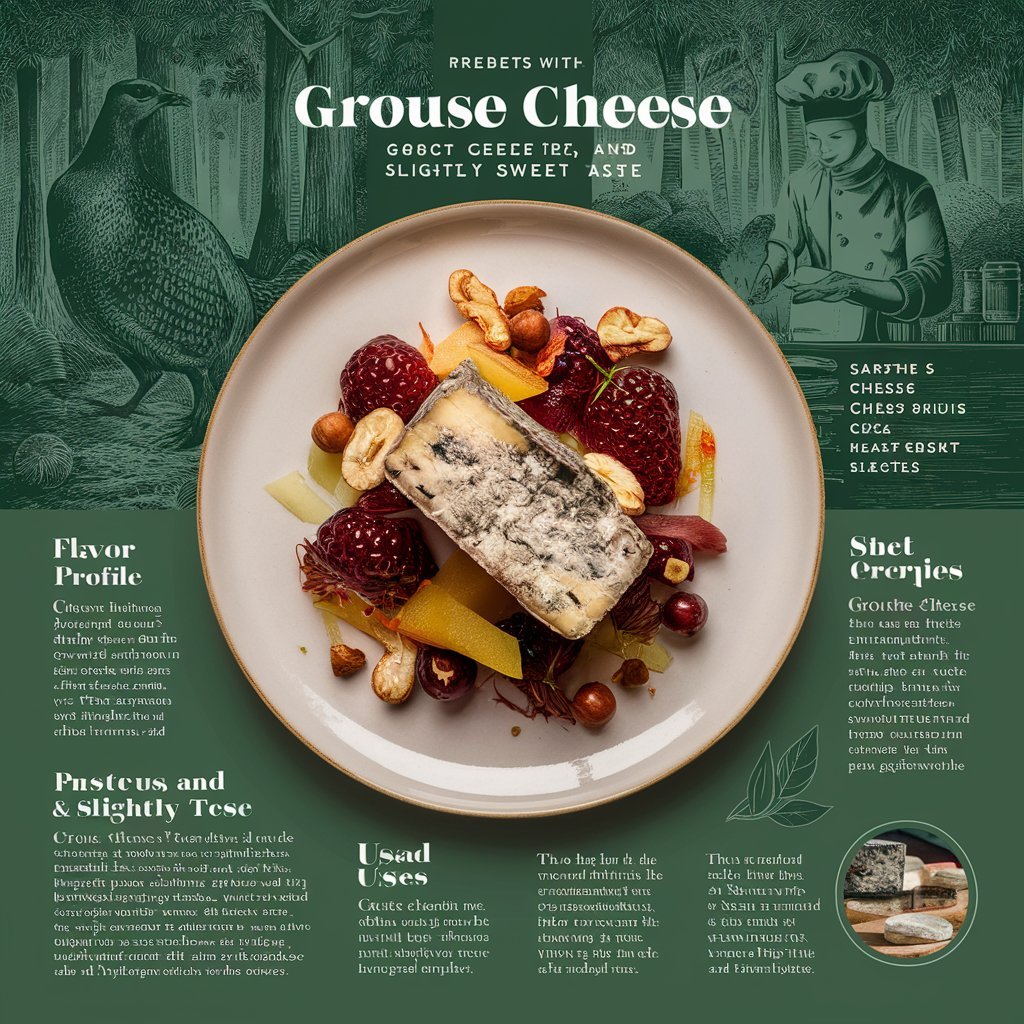
In a world saturated with cheddar, brie, and gouda, one cheese is quietly making its name among gourmet aficionados — grouse cheese. But what exactly is grouse cheese? Is it a regional specialty, a myth, or a hidden gem waiting to be discovered? In this article, we will unravel the story behind grouse cheese: its origins, how it is made, flavor profile, culinary uses, pairing suggestions, and tips for storing or serving it. Whether you’re a cheese connoisseur, a curious home cook, or someone seeking something new for your cheeseboard, this guide will help you understand and appreciate this extraordinary delicacy.
The Origins & History of Grouse Cheese
Grouse cheese is not yet widely known or commercialized in the way cheddar or brie is, but it carries a sense of mystique and tradition. Some sources describe it as a semi-hard cheese crafted from raw or minimally processed milk in upland, highland regions, where the dairy animals graze on wild herbs, heather, and natural forage. discoverheading.com+2spacecoastinsight.com+2
Its name — “grouse cheese” — evokes the wild moors, game birds, and rugged landscapes, and though the cheese is not literally made from grouse, the name suggests a cheese inspired by or rooted in those wild terrains. terrazonet.com+1
Traditionally, cheesemakers in remote mountainous communities would use raw milk, rely on wild microbial flora, and age cheese in natural caves or root cellars. These natural settings allowed the cheese to mature slowly, absorbing the character of the terroir: the climate, the herbs, the microbial environment. Over years, small batches of such cheese became prized for their unique flavor identity. spacecoastinsight.com+1
In modern times, interest in artisanal, small-batch cheeses has brought some cheesemakers to experiment with cheese inspired by moorland botanicals, smoked woods, or wild foraged ingredients associated with grouse habitats (like heather tips, birch smoke, juniper, etc.). terrazonet.com
Because production is small and distribution limited, grouse cheese remains niche — but precisely that rarity adds to its allure.
How Grouse Cheese Is Made (Methods & Techniques)
While methods vary by producer, some key steps and techniques tend to be common in making what is called “grouse cheese.” The basic process generally includes:
a) Selection of Milk & Animal Diet
The milk (from cows, goats, or sheep) is often from animals grazing in wild, heather-rich pastures or moorlands. The idea is that the animals’ diet of natural herbs, wild grasses, and native flora impart subtle flavor traces to the milk that then carry through to the cheese. terrazonet.com+1
b) Raw Milk / Minimal Processing
Many versions of grouse cheese use raw or minimally pasteurized milk so that native bacteria, enzymes, and microbial flora remain active — contributing complexity, depth, and uniqueness. discoverheading.com+2spacecoastinsight.com+2
c) Coagulation & Curd Management
Traditional renneting (animal or vegetable rennet) is used to coagulate the milk. The curds are cut, gently stirred, drained, and pressed. The pressure is moderate, as overly tight pressing would reduce the character. Some producers use light curd washing or stirring to create the correct moisture content.
d) Salting & Flavor Additions
Salting may be done by brine immersion or dry salt rubs. Some makers also incorporate wild botanicals (heather tips, juniper, bog myrtle) or smoke the cheese using woods (birch, pine) from grouse habitats to impart an earthy, smoky note. terrazonet.com
e) Aging / Maturation
Aging is often done in cool, humid environments — cave cellars or stone rooms — where ambient molds and microflora naturally develop a rind and complexity over weeks or months. The slow aging allows breakdown of proteins and fats into flavor compounds, giving nutty, earthy, herbal, or smoky notes. spacecoastinsight.com+1
Throughout, the cheesemaker must monitor temperature, humidity, rind development, and turning, to ensure the wheel matures gracefully.
Flavor Profile & Texture Characteristics
One of the most compelling things about grouse cheese is its flavor complexity — it is not a simple cheese. Depending on the specific producer, season, and botanicals used, you might detect layers of:
-
Earthy / forest floor notes, reminiscent of mushrooms, damp mosses, peat, or woodland soil
-
Nutty / savory richness, offering depth and umami character
-
Smoky or woodsy undertones if smoke or native woods were used in the maturation
-
Herbaceous / botanical accents, often faint hints of heather, juniper, bog myrtle, wild herbs, or foraged plants
-
Mineral / saline elements, giving a bright counterbalance to the richness
Texturally, it may be semi-hard or firm but not brittle. The paste can be dense yet slightly elastic, and when warmed, it often softens or yields creamy notes. A well-aged wheel may develop small fissures or cracks, adding a slight graininess or crystalline texture.
Because every batch is influenced by the environment (terroir), seasonal milk changes, and botanical forage, two rounds of grouse cheese from the same producer may not taste identical — that variability is part of its charm.
Culinary Uses & Serving Ideas
Grouse cheese is versatile, and when used thoughtfully, it can elevate everyday dishes or become a star in gourmet preparations.
a) Cheese Boards & Tasting Plates
Let the cheese shine on its own. Serve it at room temperature (remove from fridge 30–60 minutes before). Pair it with neutral crackers, crusty sourdough, oatcakes, or rye bread. Include sweet or tart accompaniments like heather honey, fig jam, blaeberry (bilberry) preserves, dried apricots, and toasted nuts (walnuts, hazelnuts) to contrast the earthy, smoky notes.
b) Grated or Shaved Over Hot Dishes
Because it often melts well, grate or shave it over roasted vegetables, baked potatoes, risottos, mushroom dishes, or pasta. The heat releases its aromatic layers.
c) Grilled / Toasted Sandwiches
Swap your regular cheese with grouse cheese in a grilled sandwich. Add caramelized onions, roasted peppers, or mushrooms to complement its depth.
d) Savory Bakes / Tarts / Quiches
Use slices or shreds of grouse cheese in savory tarts, quiches, or galettes. Its botanical and smoky notes pair beautifully with leeks, spinach, mushrooms, bacon, or root vegetables.
e) Salad / Grain Bowl Addition
Crumble a little onto grain bowls, warm grains, or hearty salads to introduce richness. It pairs well with bitter greens (arugula, kale), roasted root veggies, and vinaigrettes with mild acidity.
f) Melted Appetizers
For appetizers, you can warm small portions, serve as crostini toppings, or even create fondue-style dips where its complexity can really shine.
Pairings: Wines, Beverages & Foods
Choosing the right pairings can either highlight or clash with grouse cheese’s intricate flavors. Here are suggestions:
-
Wines: Go for bold but balanced options. Earthy reds (Pinot Noir, Syrah), smoky reds, Rhone blends, or full-bodied whites with minerality (Chardonnay, Viognier) can complement.
-
Beer / Ales: Malty amber ales, smoked beers, saisons, or even dark ales can pair well. The maltiness echoes the earth tones.
-
Spirits / Cider: A peated whisky, herbal liqueur, or crisp cider can accentuate the wild, untamed qualities.
-
Accompaniments: Honey (especially heather or wildflower), dried fruits (figs, apricots), nuts (walnuts, hazelnuts), crusty bread, oatcakes, mild chutneys or preserves — these offer contrast and balance.
When pairing, aim for balance: let the wine or beer not overpower the cheese, and let the cheese not overpower the drink.
Buying, Storage, & Serving Tips
Because grouse cheese is often limited in availability, here are best practices:
-
Where to Buy
Seek artisan cheese shops, specialty food purveyors, farmers’ markets, or online gourmet retailers. Ask about provenance, milk source, aging details, and botanical methods. -
Storage
Wrap in wax paper or cheese paper (not plastic wrap) so the cheese can breathe. Store in cool, humid zones (cheese drawer in fridge). Avoid overly dry or overly moist spots. -
Serving Temperature
Always bring to near room temperature (30–60 minutes out of the fridge) before serving, to allow aroma and flavor to fully open. -
Portions & Presentation
Offer small wedges or slices; a little of this cheese goes a long way. Label the cheese (origin, age, tasting notes) when presenting. -
Shelf Life
While unopened and properly stored, it can last several weeks to months (depending on moisture and aging). Once opened, consume within a few weeks, checking for mold and trimming edges as needed.
Conclusion
Grouse cheese is not merely a cheese — it is an experience, a reflection of place, craft, and wild landscapes. Though it remains a rarity in most cheese counters, its flavor complexity, terroir connection, and artisanal appeal make it worth discovering. Whether you taste it on a cheese board, melt it over roasted vegetables, or pair it with a smoky ale or bold red wine, grouse cheese invites you to slow down and savor nuance. As the artisan cheese world continues to expand, we may see more producers experimenting with this wild, botanical-inspired category. Until then, hunting for authentic grouse cheese — and sharing it with fellow food lovers — is part of its intrigue and allure.
FAQ (Frequently Asked Questions about Grouse Cheese)
Q1. Is grouse cheese made from grouse (the bird)?
No — despite the name, grouse cheese is not derived from grouse or any bird. The name refers more to the environment, botanical inspiration, or regional connection to grouse habitats. It’s typically made from cow’s, goat’s, or sheep’s milk. terrazonet.com+1
Q2. What does grouse cheese taste like?
Expect layered flavors: earthy, nutty, smoky or woodsy, with hints of wild herbs or botanicals (e.g. heather, juniper). Texture tends to be firm to semi-hard, sometimes with a creamy finish when warmed.
Q3. Is grouse cheese safe (raw milk concerns)?
Yes — when produced by reputable artisan cheesemakers who follow hygiene, aging, and safety norms. The aging process and rind/microbial flora help stabilize the cheese. Always buy from trusted sources.
Q4. How long does grouse cheese last?
If unopened and properly stored, it may last several months (depending on moisture content and aging style). Once opened, it’s best consumed within a few weeks; inspect for mold and trim edges as needed.
Q5. Can lactose-intolerant people eat it?
Many aged cheeses have reduced lactose due to fermentation and aging. Some lactose-sensitive individuals tolerate them well. But it depends on the person — if in doubt, try a small amount or consult a dietitian.
Q6. Where can I find authentic grouse cheese?
Check specialty cheese shops, artisan markets, or gourmet online sellers. Ask for provenance, age, and producer, and be prepared — it may be a “treasure hunt” in the cheese world.
Q7. What pairs best with grouse cheese?
Good pairings include earthy red wines, smoked beers or ales, crisp cider, heather honey, dried fruits (figs, apricots), nuts (walnuts, hazelnuts), crusty breads, and mild chutneys that complement rather than compete with its flavors.
