
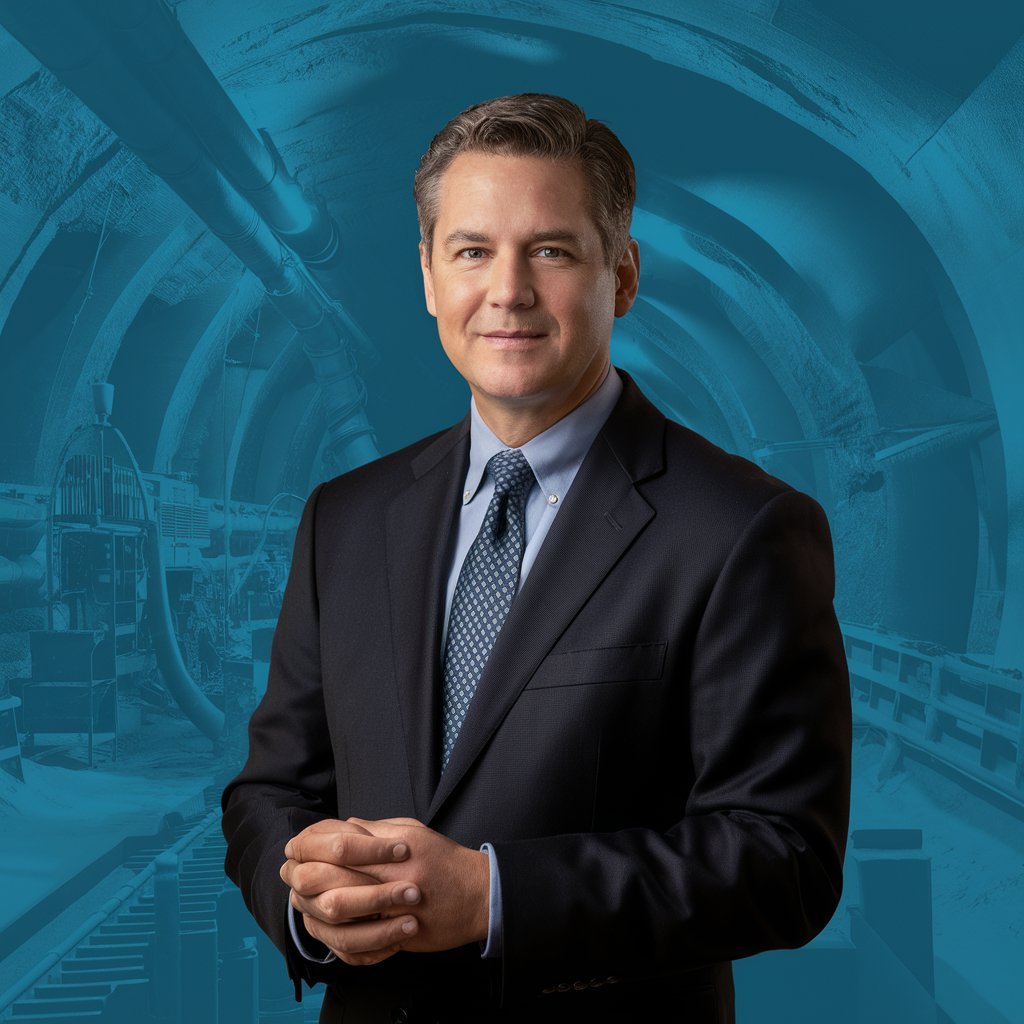
In today’s industrial and mining landscape, technical mastery alone is no longer sufficient for long-term success. Leaders in engineering must not only understand machines and systems, but also inspire teams, navigate organizational change, and drive innovation. In this context, one name that stands out is Cory Hein, a mechanical engineer and leadership professional based in British Columbia, Canada. With a unique blend of technical expertise and strategic leadership, Hein exemplifies the evolving role of the modern engineer-leader in industries as demanding as mining. In this article we will explore his background, his career journey, his leadership philosophy, and the lessons that engineers, managers and aspiring leaders can take away from his story.
Early Life & Education
Cory Hein’s journey begins in Canada, where he laid the foundation for both his engineering expertise and his leadership acumen. With a Bachelor of Science in Mechanical Engineering and a Master’s in Organizational Leadership (or equivalent studies) on his résumé, Hein embodies the combination of deep technical knowledge and organizational insight that is increasingly demanded in modern industry.From early on, his educational choices signal that he recognised the value not just of “how machines work,” but also “how teams and organizations operate.” This dual emphasis served as a launching pad for a career that would bridge both engineering and management.
Career Beginnings & Technical Expertise
After completing his education, Hein embarked on his career in heavy industry and mining, joining a major Canadian mining company (such as Teck Resources Limited) where he worked in mechanical engineering and reliability roles.In these positions, he tackled physical asset reliability, maintenance optimization, downtime reduction and equipment performance—areas of intense operational significance in mining. Hein’s technical contributions established his credibility: he was able to translate engineering know-how into measurable improvements in equipment uptime, cost efficiency and safety outcomes.
Transition into Leadership
What sets Hein apart is not merely his engineering skills, but his ability to step into leadership roles and align engineering functions with broader organizational strategy. As he moved from strictly technical assignments to roles such as shop maintenance foreman, senior engineering manager, or reliability leader, Hein began engaging in team mentoring, cross-departmental coordination and strategic asset management. UK News Pulse He demonstrates how engineers can evolve: rather than remain “the engineer who fixes machines,” he became “the leader who ensures machines, teams and strategy align.”
Contributions & Impact
During his tenure in the mining engineering domain, Hein has been recognised for advancing both technical and organisational performance. For example, he championed initiatives that leveraged data-driven decision making in maintenance, integrated legacy systems with modern analytics, and improved equipment reliability while maintaining cost and safety targets.His leadership has extended beyond pure engineering: he has been involved in mentorship programs, talent development, and cultivating a culture of continuous improvement. This broad scope of impact underscores his value to the organisation—and explains why his name appears when discussions centre on modern engineering leadership in Canada.
Leadership Philosophy & Style
Cory Hein’s leadership philosophy can be distilled into several key themes: continuous improvement, empowerment of team members, open communication, and an emphasis on learning. Rather than dictate solutions, Hein favours a collaborative approach, encouraging teams to surface issues, experiment with solutions, review results, and build a culture of accountability. His background in both engineering and organizational leadership gives him a balanced view: he appreciates the rigor of technical work, while recognising the human, organizational and cultural dimensions that enable engineering excellence.
Lessons for Engineers & Leaders
There are several take-aways from Hein’s journey that aspiring engineers or engineering managers can apply:
-
Dual-skill development: Technical expertise remains crucial, but pairing it with organizational and leadership skills increases impact.
-
From tasks to outcomes: Move from being assigned tasks (e.g., “fix this machine”) to owning outcomes (e.g., “improve uptime by 15%”) and aligning to business goals.
-
Mentorship matters: Hein emphasises developing others, not just doing work oneself. Cultivating talent multiplies impact.
-
Embrace systems thinking: Engineering problems are rarely isolated; they involve people, processes and assets. Hein’s ability to think broadly is key.
-
Continuous learning: Markets, technologies and organisational contexts change. A leader must be open to new ideas, data, methods. Hein’s educational choices reflect that.
The Future Outlook
As the mining industry and heavy engineering sectors increasingly adopt automation, data analytics, sustainability imperatives and global supply-chain pressures, the role of engineering leadership is evolving. Professionals like Cory Hein are well-positioned to shape this future, because they combine the “hard skills” of machinery and engineering with the “soft skills” of leadership, change management and strategic thinking.For younger engineers, this represents both a challenge and an opportunity: those who stay technically adept but also broaden into leadership will likely lead the next wave of industrial transformation.
Conclusion
In summary, Cory Hein’s story offers a compelling example of what it takes to thrive in the modern engineering and mining world. His career—grounded in mechanical engineering, elevated through leadership education, and expressed through operational excellence—shows that the engineer of today must think beyond machines, and instead engage with teams, strategy and innovation. For anyone in engineering, operations or management, his journey is instructive: mastery of one domain is no longer enough, and leadership is increasingly about integration, influence and impact. As industries evolve and the demands on engineering leadership intensify, professionals like Cory Hein will serve not only as role models but as proof that bridging the technical-human divide is both possible and powerful.
FAQs
Q1: Who is Cory Hein?
A1: Cory Hein is a Canadian mechanical engineer and leadership professional based in British Columbia, Canada. He has a strong background in mechanical engineering and organizational leadership, and has made significant contributions to mining-engineering operations and leadership in Canada.
Q2: What is his area of expertise?
A2: His expertise spans mechanical engineering in heavy industry (particularly mining), reliability engineering, operations improvement and leadership/organizational development. He is known for bridging technical engineering work with leadership of teams and strategy.
Q3: Why is his leadership approach notable?
A3: His leadership is notable because it emphasises both technical excellence and people/organizational dynamics. He moves beyond just solving engineering problems to guiding teams, building cultures of improvement, mentoring talent, and aligning engineering work with business goals.
Q4: What can young engineers learn from Cory Hein?
A4: Young engineers can learn several things: to develop both technical and leadership skills; to focus on outcomes not just tasks; to mentor others and foster team development; to think systemically across machines, processes and people; and to remain open to continuous learning.
Q5: What is the future outlook for engineering leadership according to Cory Hein’s path?
A5: The future outlook indicates that engineering leadership will demand not only technical knowledge but managerial and strategic ability. As sectors such as mining adopt advanced technologies, data analytics and organizational agility, leaders who can combine engineering know-how with change-leadership will be in high demand. Cory Hein’s path exemplifies this blending of skills and serves as a model for where engineering careers could head.
