
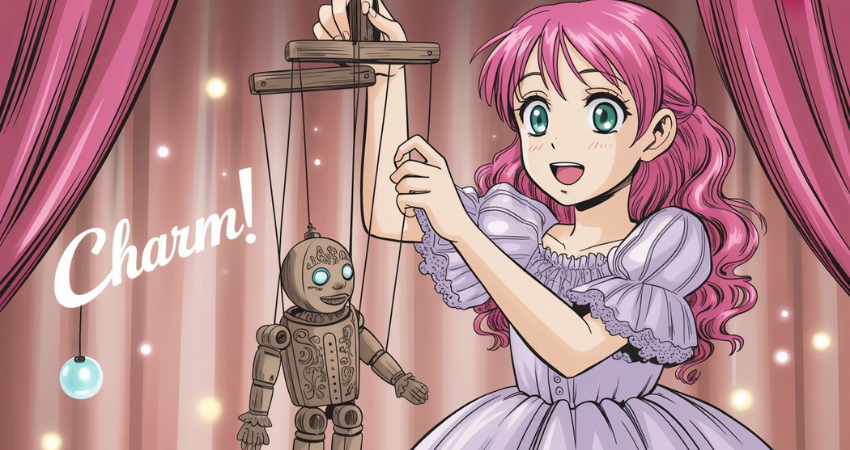
Manga with puppetry or charm magic mention has always had a knack for pulling readers into worlds where magic defies rules and imagination runs wild. Among the many unique magical elements, puppetry and charm magic stand out with their eerie control and mystical influence. From controlling lifeless dolls with invisible strings to casting spells that make others dance to your tune, these powers hit hard—emotionally and visually.
But what makes these themes so captivating? Why do mangaka repeatedly return to the idea of manipulation—both physical and mental? Let’s unravel the threads behind this darkly enchanting subgenre.
Understanding the Magic Systems
Puppetry Magic: Control Behind the Strings
Origins in Folklore and Mythology
Manga with puppetry or charm magic mention isn’t just a manga invention. It’s rooted in ancient Japanese Bunraku theater, where skilled puppeteers would make dolls emote, fight, and express sorrow. Manga borrows heavily from this, adding magical flair, cursed strings, and deadly intent.
Key Traits in Manga
-
Lifeless objects animated by chakra, mana, or cursed energy
-
Deep symbolic representation of control
-
Often associated with trauma or detachment
Charm Magic: Spells of Persuasion
Types of Charms Used
From love potions to hypnosis and memory alteration, charm magic in manga varies wildly. Some use talismans or wands; others simply whisper a spell. The core? It always manipulates.
Common Narrative Themes
-
Power imbalances and ethical dilemmas
-
The blurred line between free will and control
-
Emotional manipulation in relationships
Notable Manga Featuring Puppetry Magic
Naruto – The Art of Puppet Masters
Kankuro’s chakra-infused puppets are iconic. Originating from the Sand Village, his use of Karakuri puppets turns ninja battles into haunting stage plays. The puppets are laced with traps, blades, and venom. The backstory of Sasori, the puppet man who turned himself into one, deepens the narrative with themes of loss and identity.
Karakuri Circus
This underrated gem centers around automatons and martial puppeteers, mixing circus theatrics with deadly confrontations. Every puppet has a story, a soul, and a secret. Think shōnen action meets emotional tragedy with strings attached—literally.
Tokyo Ghoul:re
While not traditional puppetry, the manipulation of kagune and artificial ghoul technology adds a puppeteering layer. Quinx Squad members are controlled by the CCG like weapons—blurring autonomy and authority.
Notable Manga Featuring Charm Magic
Black Clover – Charmy’s Sweet Charms
Charmy, while comedic, uses food-based magic to charm and influence others. And other characters, like Dorothy Unsworth, cast illusion-based charm spells that trap opponents in dreamscapes.
Fairy Tail – Spells of Love and Influence
From Cana’s card magic to Evergreen’s charm-infused gaze that turns people to stone, Fairy Tail is filled with characters who manipulate through enchantment. The tension between control and consent adds depth.
Cardcaptor Sakura – Clow Cards with Enchantment Powers
Many of the Clow Cards—like The Illusion, The Dream, or The Voice—function through charm-like effects. Sakura must outwit, not overpower, them—a delightful twist for a magical girl series.
Hybrid Magic Systems in Manga
D.Gray-man – Puppet-Like Akuma & Cursed Powers
The Akuma are machine-demon hybrids controlled by souls—a horrifying take on puppetry. Their transformation and manipulation carry themes of regret and vengeance.
The Case Study of Vanitas
Vampire lore meets charm spells in this French-flavored manga. Characters enchant, deceive, and manipulate others using books and incantations—pulling at mental and emotional strings rather than physical ones.
Hidden Gems You Might Have Missed
Puppet Princess (Karakuri no Kimi)
A dark one-shot where the princess uses deadly puppets to avenge her family. Short, but haunting.
Magical Girl Site – Twisted Charms
A dark magical girl tale where charm tools like wands grant disturbing powers. Each girl’s weapon reflects her trauma, tying charm magic to emotional scars.
Rozen Maiden – Living Dolls and Magical Contracts
This series blurs puppetry and charm magic as the Rozen Maidens fight to become the perfect doll. Each is alive yet controlled by a master—until they rebel.
Themes and Symbolism
Control, Manipulation, and Free Will
Whether it’s a puppet or a person, the central theme remains: Who really pulls the strings? Is it destiny? Emotion? Or someone more sinister?
Trust, Betrayal, and the Strings of Fate
Manipulation magic often reveals who can—or can’t—be trusted. These stories frequently pivot on betrayal, loyalty, and psychological battles more intense than any fireball clash.
How These Tropes Engage Readers
Visual Appeal of Puppetry
There’s something hypnotic about strings and gears moving in battle. The choreography of puppet combat scenes is poetic, calculated, and brutal.
Emotional Depth of Charm-Based Conflict
Charm magic doesn’t just attack the body—it invades the mind. Readers feel the stakes rise when characters lose control not to power, but to suggestion.
Influence on Anime and Cosplay Culture
Iconic Puppeteer Cosplays
From Kankuro’s puppet scrolls to Rozen Maiden’s porcelain elegance, puppeteer characters inspire stunning cosplay that mixes craftsmanship and creativity.
Charm Magic Scenes that Went Viral
Sakura’s spell chants. Fairy Tail’s enchanted battles. These moments have flooded TikTok and Instagram reels with audio clips, edits, and reenactments.
Conclusion
Manga with puppetry or charm magic mention aren’t just neat tricks—they’re reflections of human nature. The need to control, the fear of being controlled, and the desire to resist fate are all wrapped in these magical motifs. Whether it’s a puppeteer battling with blades or a spellcaster swaying minds, these manga captivate with every page.
So next time you’re browsing your local bookstore or scrolling through manga apps, look out for those enchanted strings and whispered spells—you might find yourself charmed into another world.
FAQs
1. What are some underrated manga with puppetry magic?
Try “Puppet Princess,” “Karakuri Circus,” and “Rozen Maiden”—all have unique takes on puppet-based combat and emotion.
2. How does charm magic differ from other magical systems in manga?
Charm magic focuses on influence and emotional manipulation rather than brute force—often psychological rather than physical.
3. Are there any manga where both puppetry and charm magic coexist?
Yes! “The Case Study of Vanitas” and “D.Gray-man” blend both manipulation of body and mind.
4. Which anime adapt these themes best?
“Naruto Shippuden,” “Rozen Maiden,” and “Cardcaptor Sakura” bring these magical mechanics to life beautifully on screen.
5. Why are readers drawn to manipulation magic?
Because it taps into real-world fears and fascinations—control, freedom, emotion, and destiny—all through a magical lens.
